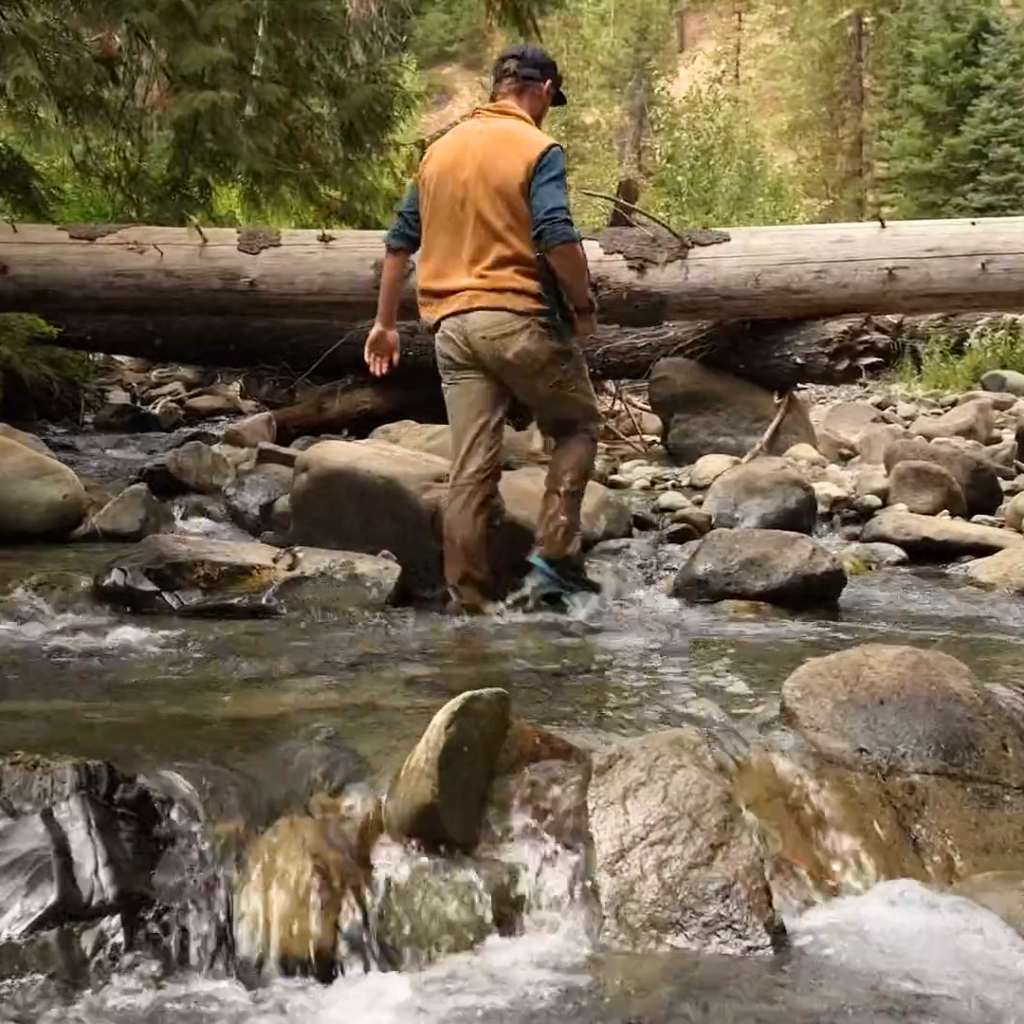
WWT has implemented permanent flow restoration projects protecting more than 7 billion gallons of water instream since 1998. Fish and wildlife, communities, and farms all need freshwater. Salmon and steelhead need cool, flowing water to migrate and spawn. Flowing rivers are a recreational asset, an economic driver, and an integral natural and cultural resource for Tribal Nations.
The Pacific Northwest faces a water crisis. Over appropriation of water, rising demand, and climate change endanger local rivers and streams. Washington is experiencing higher temperatures, reduced mountain snowpack, and more frequent droughts. Rivers and streams run low or even dry in the summer, threatening the survival of salmon and other species. Ensuring healthy flowing rivers and streams into the future requires innovative problem-solving approaches.
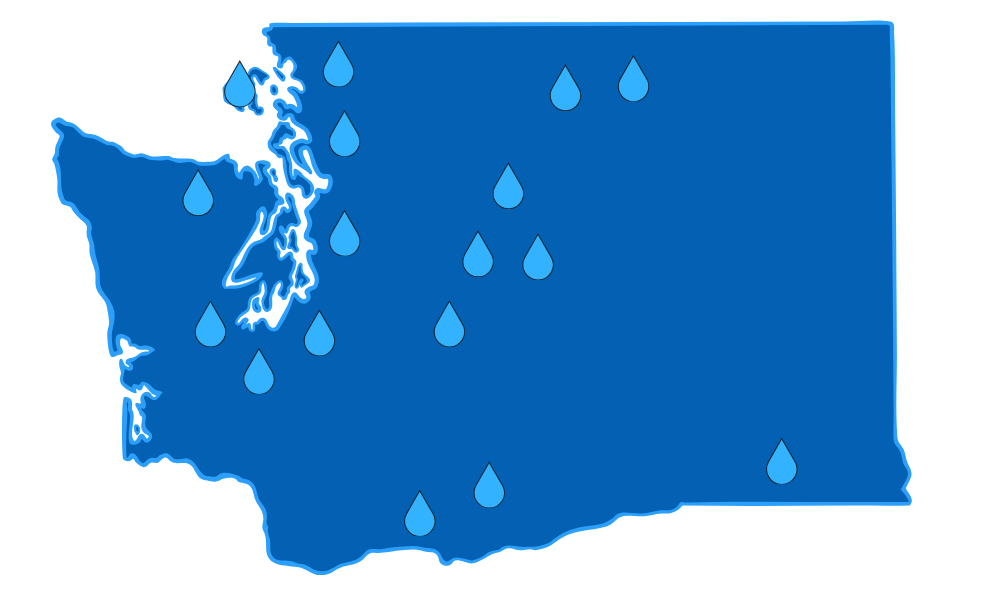
WWT projects benefit more than 1,000 river miles in over 50 rivers and streams, including 250+ miles of flow-limited tributaries that are home to salmon, steelhead, trout, and other wildlife.
Dynamic Five-Year Roadmap
WWT will strategically focus and grow our efforts over the next five years to address the water crisis threatening our rivers and streams. We will partner with diverse groups to take the following actions by 2030:
- Buy and lease water rights through voluntary market-based transactions for placement in the Washington Trust Water Rights Program.
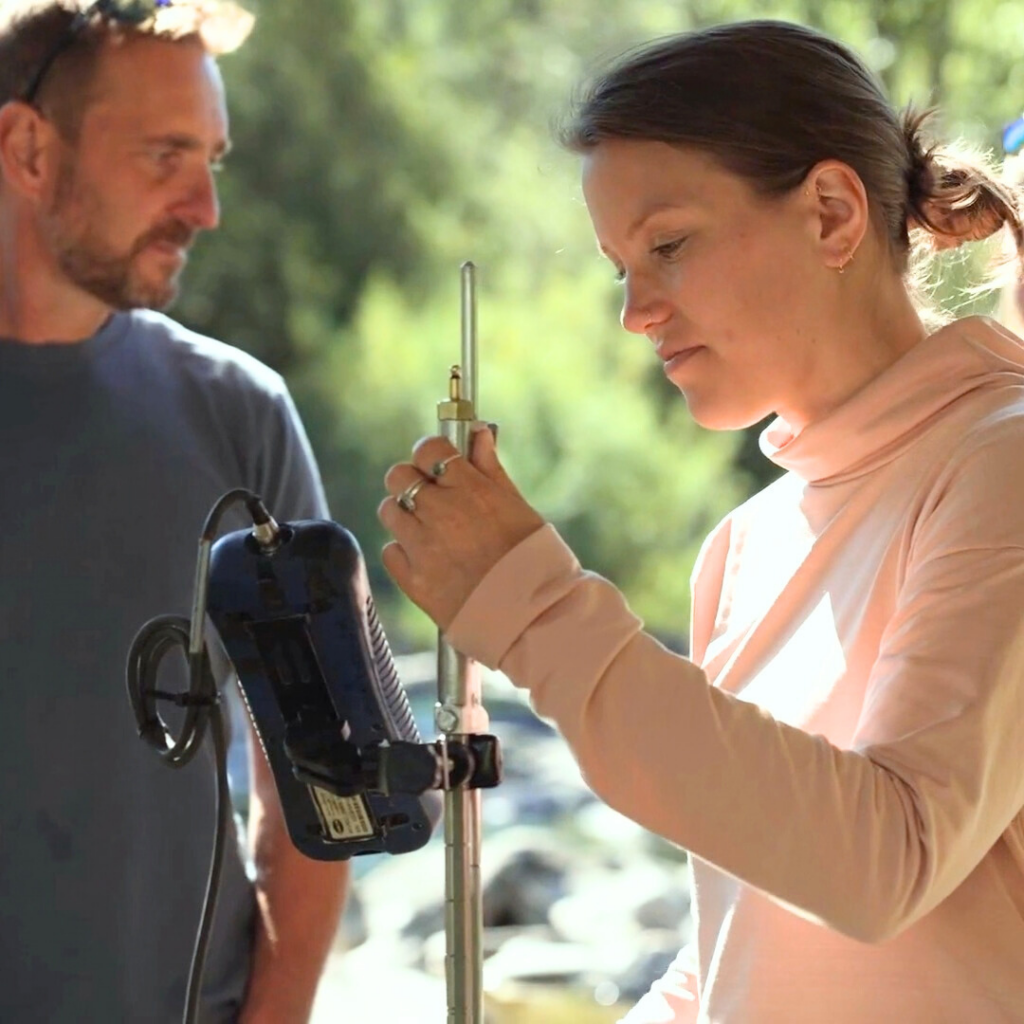
- Use new tools to better assess and target strategic water rights for acquisition or lease.
- Develop drought and dry-year response programs.
- Retime water flows for fish using techniques like aquifer recharge.
- Develop source switch projects to keep more water instream.
- Help farmers and agricultural businesses increase water efficiency to divert less for irrigation.
- Prioritize projects in watersheds where enhanced flows will most benefit stream health, aquatic life, indigenous first foods, and community value.
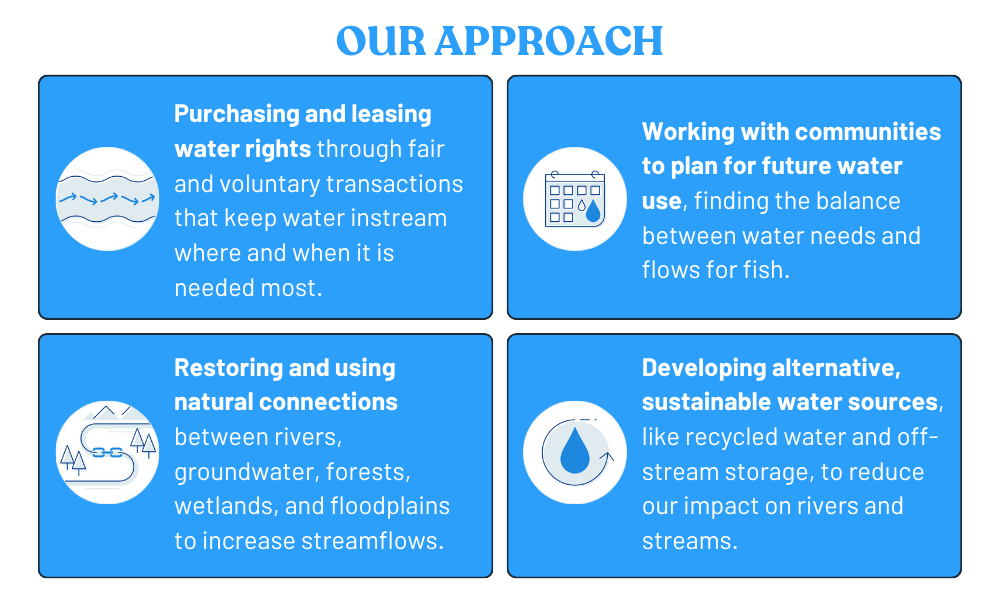
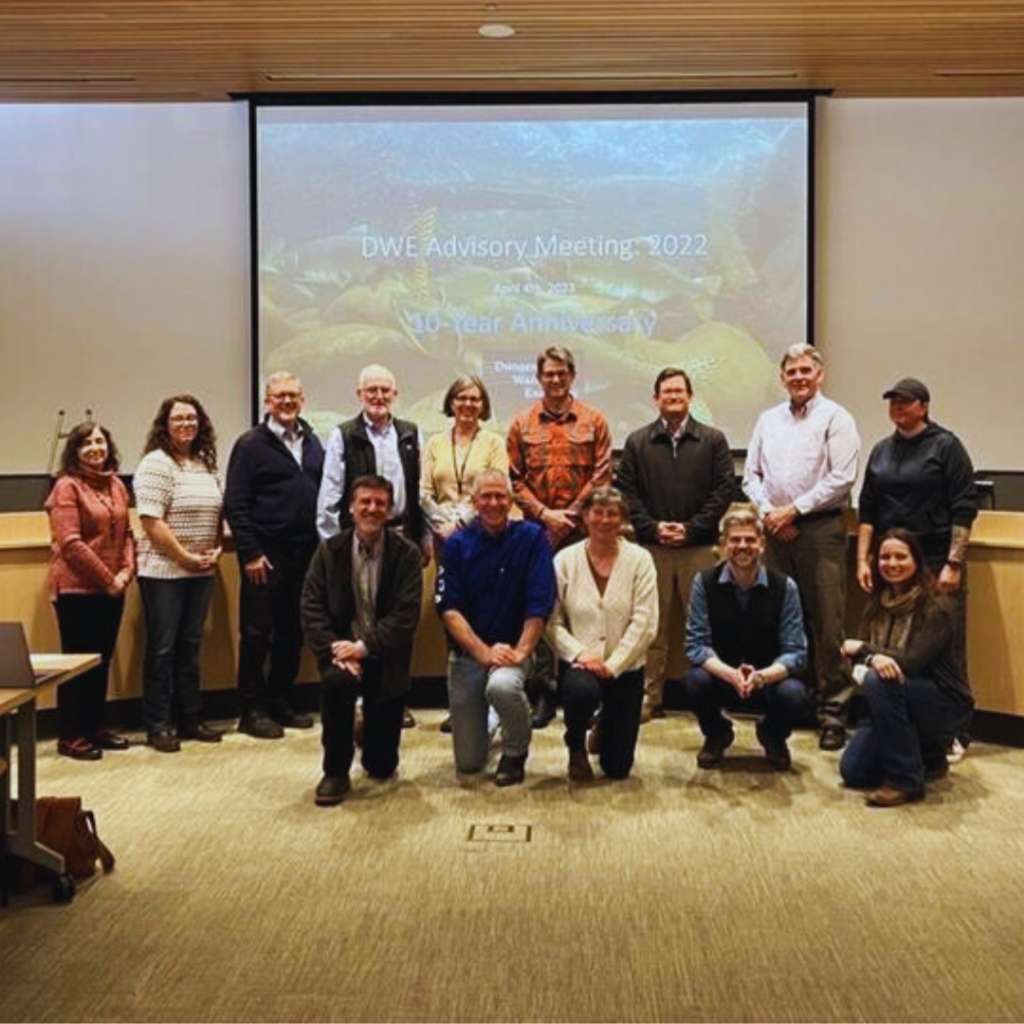
- Strengthen our relationships with Tribal Nations to inform our project prioritization, design, and implementation.
- Transition existing short-term water leases to long-term leases and permanent purchases.
- Develop new short-term water transactions in more tributaries and watersheds.
- Seek feedback on flow targets in critical streams from fisheries co-managers.
- Analyze diversion data, stream flow data, and water right priority dates to target water transactions when and where needed most.
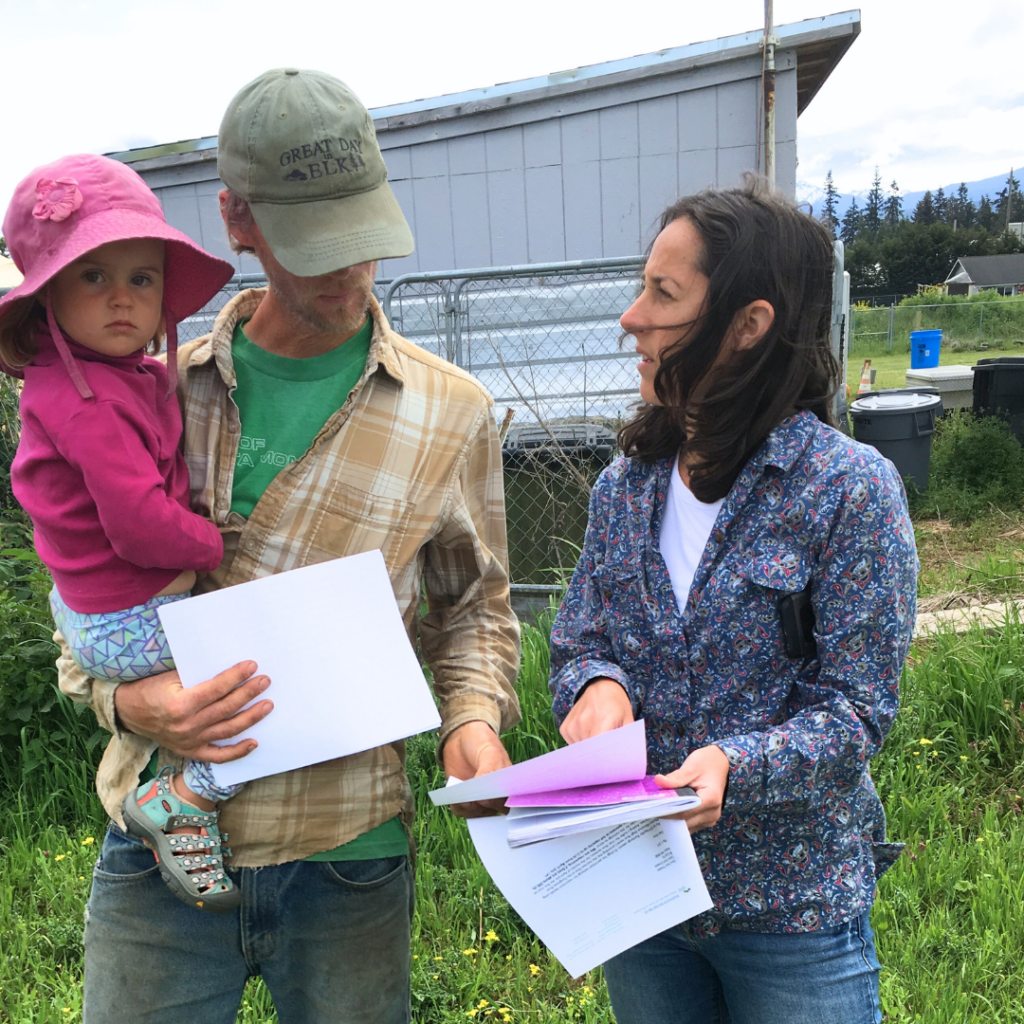
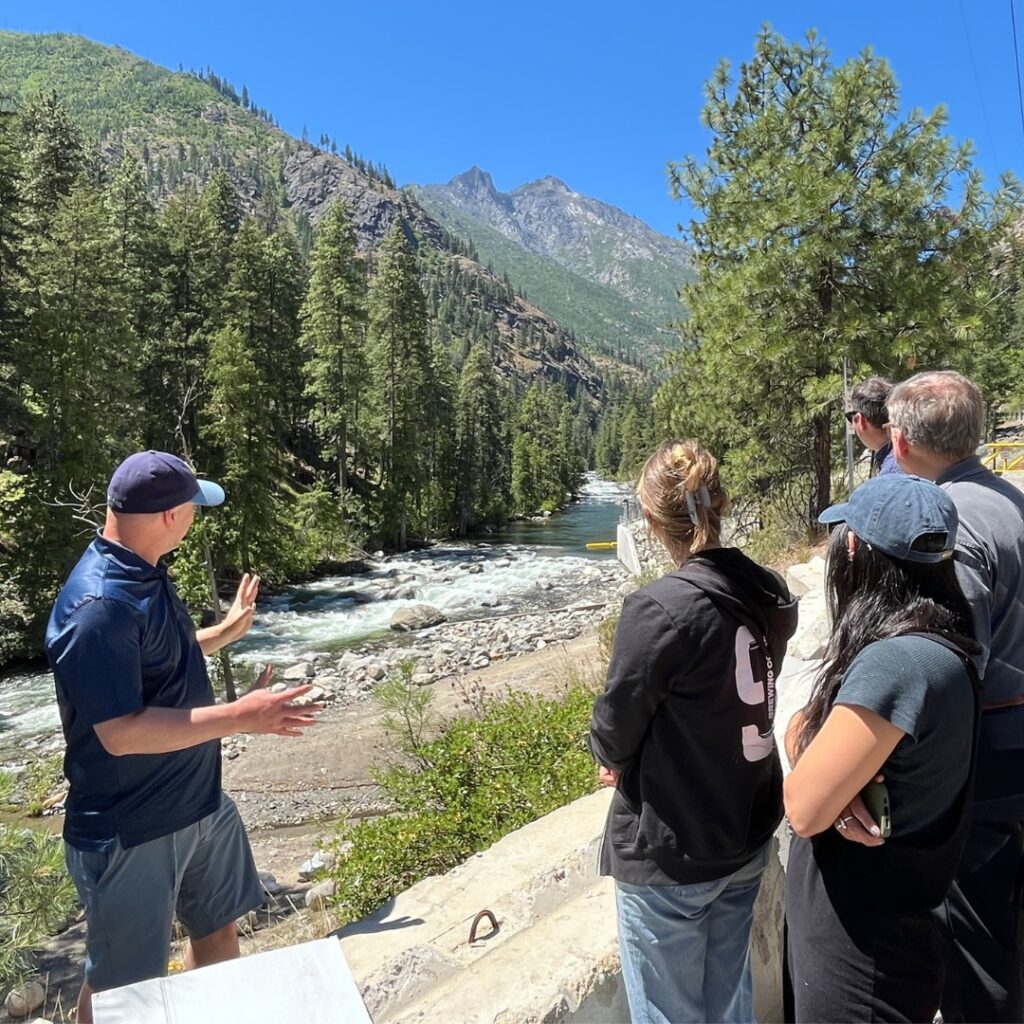
- Consult government agencies to help them better manage their water rights and meet climate resiliency goals.
- Engage infrastructure projects, such as water storage, if there are instream flow benefits and non-infrastructure-based projects are unavailable.
- Work with state and county governments on drought planning and multiyear mitigation programs to ensure adequate streamflows for fish during droughts.
- Advocate for the legal and regulatory use of the Washington Trust Water Rights Program, including laws and policies that support stable funding for flow restoration project development and water transactions.
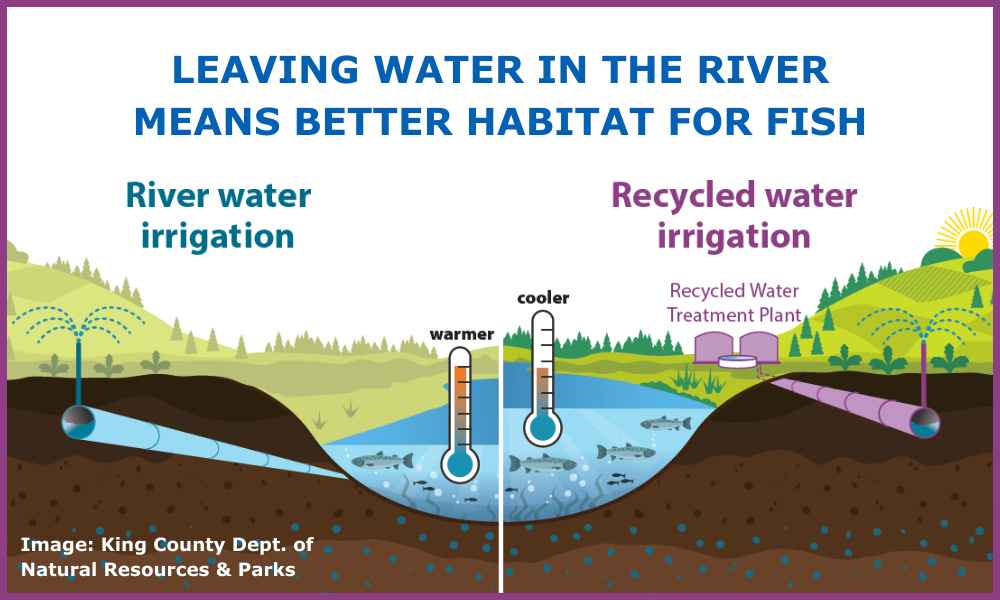
- Catalyze increased recycled water use for irrigation, industrial, and municipal uses to reduce surface and groundwater diversions.
Goals & Outcomes
We envision the following results at the end of this five-year strategic period.
- Increase water protected instream statewide by 20% over current levels.
- Ensure the state effectively implements the Trust Water Rights Program so that protected flows stay instream.
- Chehalis—complete a water rights assessment, conduct outreach to water users and partners, and develop three water transaction projects.
- Oregon—complete first projects in priority Oregon basins, including the Fifteenmile Creek watershed.
- Puget Sound/Salish Sea (Nooksack, Snohomish, Cedar-Sammamish, Green-Duwamish)—forge new partnerships, complete water rights assessments, and develop three water transaction projects.
- Upper Columbia—restore 30 cfs and 10,000 acre-feet of flows in Icicle Creek, Loup Loup Creek, Salmon Creek, and targeted Upper Columbia Tributaries.
- Walla Walla—establish a drought response program in the Walla Walla Basin for low streamflow years and restore 25 cfs and 4,500 acre-feet of annual flows in Mill Creek, the Touchet River, and the Walla Walla River.
- Yakima—restore 10-20 cfs and 2,000-4,000 acre-feet of flows, with a particular focus on Upper Yakima Tributaries.
- Dungeness—implement a long-term drought response program and advance water storage, source switches, and other projects to achieve durable flow restoration.
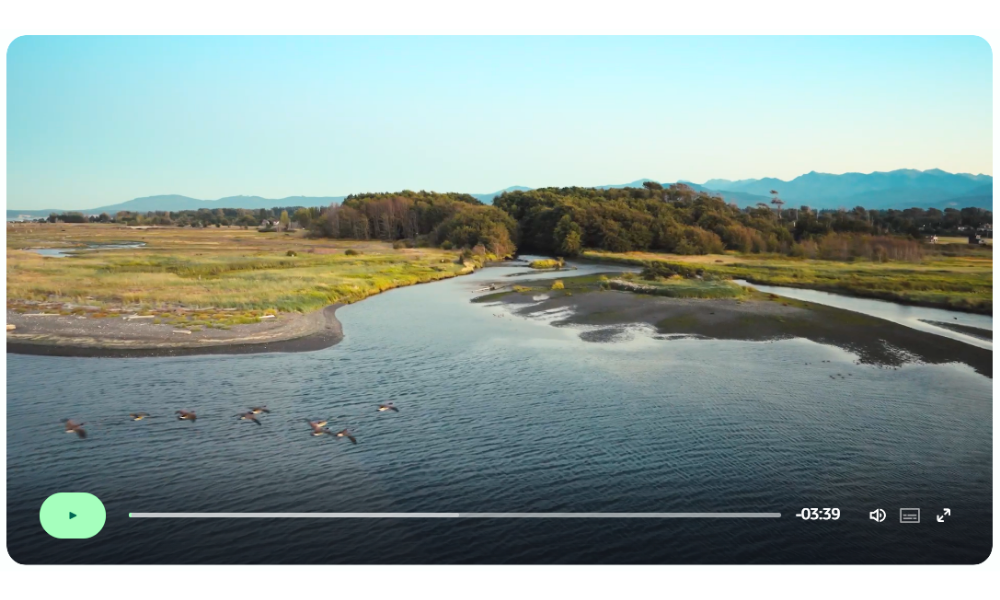
- Continue research into the long-term use and benefits of recycled water with local partners.
- Implement pilot projects on farms to demonstrate recycled water use and build demand.
Thank you to our partners and supporters for keeping local rivers and streams flowing with Washington Water Trust! Together we will respond to the changing water needs of wildlife and local communities and build a sustainable freshwater future for fish and people.